
Creating a Restorative Home with Warm Earthy Tones
For years, cool greys, crisp whites, and high-contrast interiors defined modern home design. These palettes delivered clean lines and an open feel but could grow to feel sterile over time. Now, preferences are shifting toward creating spaces that feel restorative, personal, and rooted in natural materials. Earth-inspired colors such as sand, clay, mushroom, honeyed oak, and soft terracotta introduce a sense of calm that cooler schemes often lack. They soften light, reduce visual tension, and create rooms that feel welcoming from morning through evening.
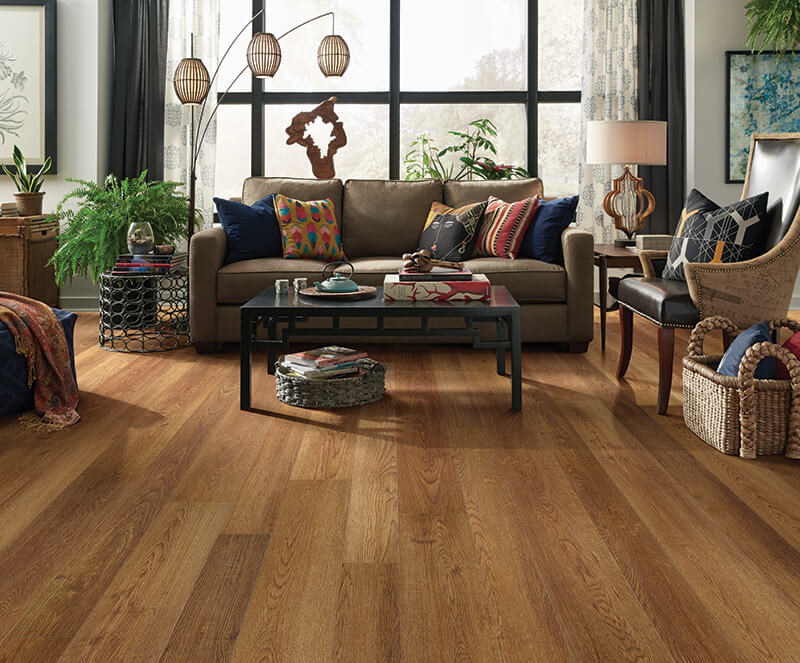
As lifestyles place greater value on comfort and longevity, warm palettes have become a defining feature of contemporary interiors.
The Shift from Cool Minimalism
Minimalist design is evolving. Instead of icy monochromes and polished surfaces, today’s interiors lean toward textures, layered materials, and color stories drawn from the natural world. The look still values restraint, but warmth now plays a central role.
This approach favors finishes that appear tactile and grounded. Matte surfaces, lightly brushed woods, plaster-inspired walls, and stone looks replace reflective coatings and sharp contrasts. These elements create rooms that feel composed yet relaxed, with visual depth that unfolds gradually rather than commanding attention at first glance.
This shift reflects how people live today. Homes serve as workspaces, gathering places, and quiet retreats. Warm tones support that versatility by making rooms feel steady and comfortable throughout the day, even as light changes and activity levels rise and fall.
How Warm Tones Change the Way a Home Feels
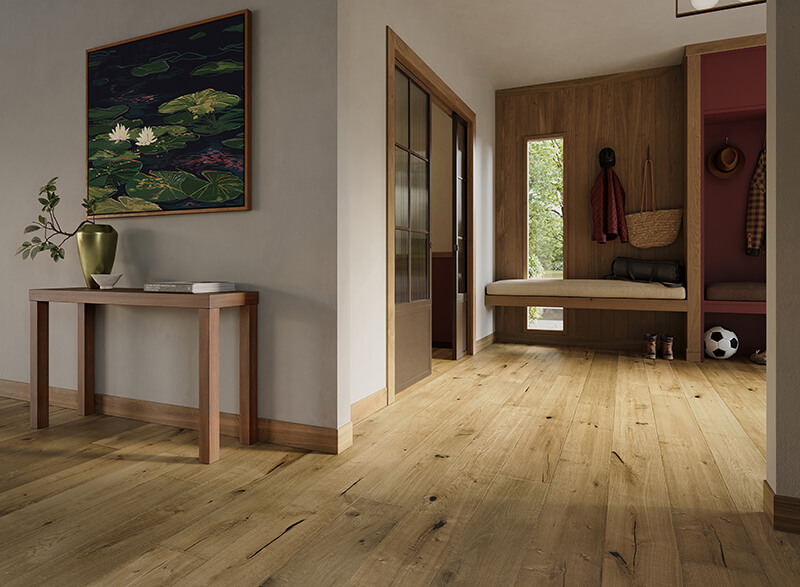
In design, color temperature refers to whether a hue carries warm or cool undertones. Warm tones are built on reds, oranges, and yellows, even when they appear softened into shades like camel, terracotta, toasted beige, ochre, warm taupe, or golden wood.
These colors tend to move visually toward the eye rather than recede, shaping how a room feels the moment you step inside. Instead of crisp distance, they introduce depth, softness, and a sense of ease that settles across the space.
When palettes lean warm, especially through earth-influenced shades with those undertones, they affect more than surface color. They influence how light behaves, how materials relate to one another, and how comfortable a room feels throughout the day.
- Grounding effect: Warm, soil-inspired shades create visual weight that helps rooms feel settled and intentional rather than fleeting.
- Connection to nature: Clay, sand, wood, and stone-inspired hues reinforce a relaxed atmosphere that feels restorative and lived-in.
- Light behavior: Surfaces with warm undertones reflect light gently, producing a glow that reads welcoming rather than stark.
- Visual softness: Warm palettes reduce abrupt contrast between planes, allowing walls, floors, and ceilings to transition smoothly.
- Emotional comfort: Rooms wrapped in warmer hues often feel calmer and more personal, supporting daily routines instead of formal presentation.
Designing with Warmth from the Ground Up
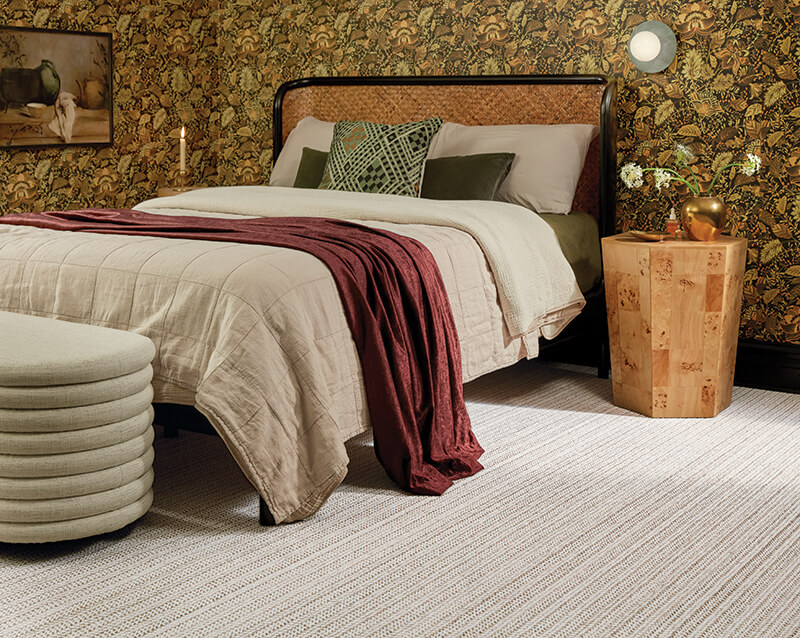
Creating a warmer interior starts with understanding how colors work together across an entire home. Walls, cabinetry, countertops, upholstery, wood tones, and metals all help shape a cohesive space.
Instead of relying on a single statement color, today’s spaces layer warm neutrals in slightly different values and intensities. Soft clay walls pair with creamy whites that carry a hint of yellow rather than blue. Cabinets in oat, caramel, or light walnut add depth without feeling heavy. Stone surfaces with beige or golden undertones keep kitchens and baths from tipping cold, even when the palette stays restrained.
Metal finishes and textiles complete the picture. Brushed brass, aged bronze, and soft black feel more at home within warm schemes than polished chrome. Linen, wool, boucle, and leather reinforce the tactile quality that defines this look.
When these elements align, the floor anchors the palette, establishes undertone, and connects rooms visually as sightlines extend from one area to the next. That foundation becomes most apparent when you look at how different flooring styles contribute to warmth.
Wood-Look Flooring with Lasting Warmth
Wood anchors warm interiors because it introduces a natural element. Today’s options range from traditional solid and engineered hardwood to luxury vinyl plank, laminate, and wood-look porcelain tile, giving you flexibility across budgets, moisture levels, and traffic demands.
Natural oak, hickory, and walnut tones have replaced grey-washed finishes, with color stories leaning toward honey, biscuit, toasted brown, and pale gold. These hues read rich without overpowering a room, especially when paired with matte or lightly brushed textures that absorb light rather than reflect it harshly.
- Species and Visual Direction: White oak, hickory, and walnut offer different depths of warmth, while luxury vinyl plank, laminate, and wood-look tile replicate those species with printed layers engineered for durability.
- Undertone Control: Look for floors labeled honey, wheat, sand, or mushroom to avoid orange casts while still warming up cool cabinetry or stone counters.
- Design Pairings: Warm wood floors balance painted millwork, quartz surfaces, and soft plaster walls, helping kitchens and living areas feel cohesive instead of high contrast.
- Performance Considerations: Hardwood brings authenticity, while vinyl, laminate, and porcelain work well in basements, baths, or kitchens where moisture resistance and easy upkeep matter most.
Tile and Stone Looks with Natural Warmth
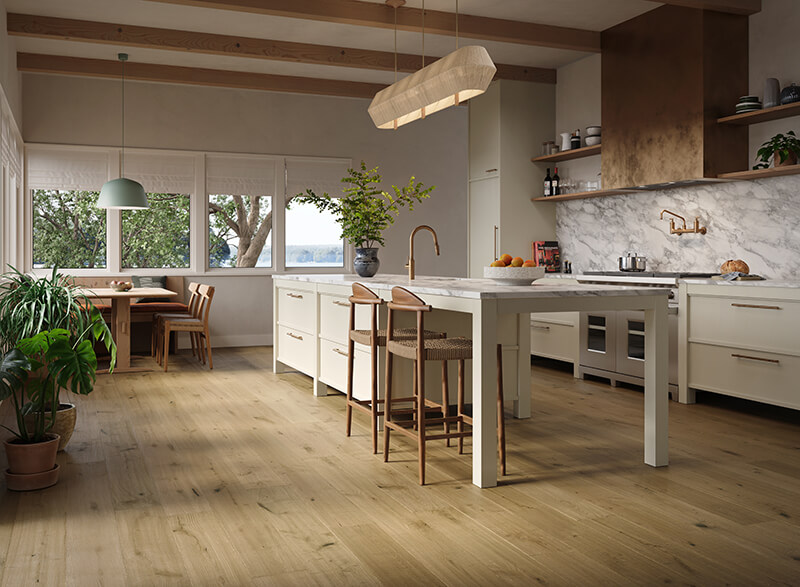
Tile and stone surfaces shape the mood of a room through color, veining, and finish. Porcelain and ceramic tile, natural limestone or travertine, and luxury vinyl tile all offer ways to introduce warmth underfoot and across walls without relying on glossy marble whites or icy greys.
Current palettes favor creamy ivories, biscuit tones, warm taupes, and sun-washed beiges that soften kitchens and baths while maintaining an architectural feel. Tumbled edges, matte glazes, and lightly textured finishes keep surfaces grounded, which pairs well with brass hardware, wood cabinetry, and layered lighting.
- Material Range: Porcelain and ceramic provide durable everyday surfaces, natural stone adds organic variation, and luxury vinyl tile brings warmth to spaces where softness and resilience are priorities.
- Color Direction: Limestone-inspired neutrals, warm concrete looks, and travertine visuals replace blue-based whites and cool marbles.
- Finish Selection: Matte and satin glazes reduce glare and emphasize texture, which supports spa-like baths and relaxed kitchen designs.
- Where It Shines: Entryways, laundry rooms, powder baths, and cooking spaces benefit from warm tile tones that feel welcoming while handling daily wear.
Carpet and Area Rugs that Add Quiet Warmth
Soft surfaces layer comfort and visual softness. Wall-to-wall carpet in bedrooms and upper levels introduces subtle color without dominating the room, while area rugs define seating zones and soften acoustics in open layouts.
Wool, nylon, and blended fibers appear in oatmeal, camel, taupe, and clay shades that echo the undertones found in natural wood and stone. Texture matters as much as color, with looped constructions, cut-and-loop patterns, and handwoven-style rugs creating depth that keep neutral palettes from feeling flat.
- Fiber Selection: Wool delivers richness and insulation, while solution-dyed nylon offers durability for busy households and layered living spaces.
- Color Strategy: Oatmeal, sand, and warm grey rugs bridge cool walls and warm floors without clashing.
- Pattern and Texture: Subtle geometrics, ribbed loops, and tonal flecks add movement while staying visually calm.
- Layering Approach: Rugs over hardwood or tile create comfort zones in living rooms and dining areas while reinforcing the overall warmth of the palette.
Warming Up a Home Built on Cool Neutrals
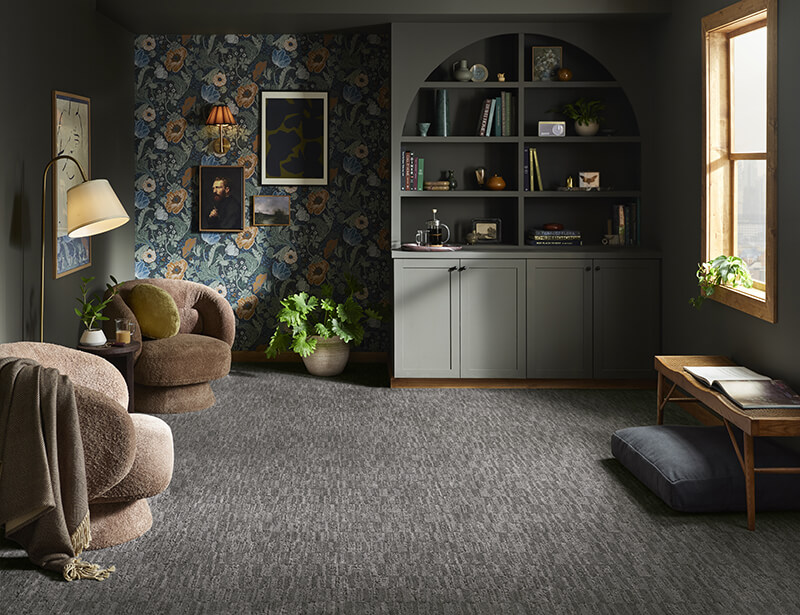
Many homes still carry the imprint of the all-grey era. Shifting toward warmth does not require a full renovation. Thoughtful updates can rebalance a space while preserving existing finishes.
- Greige Bridge Tones: Flooring or rugs with both grey and beige undertones provide a transition that feels natural rather than abrupt.
- Warm Wood Additions: Introducing wood through floors, furniture, shelving, or ceiling beams breaks up cool palettes and adds focal interest.
- Wall Color Adjustments: Repainting in cream-based whites or soft taupes can immediately soften stark rooms without altering cabinetry.
- Metal Finish Swaps: Replacing chrome hardware with brushed brass or bronze subtly warms kitchens and baths.
- Textile Layering: Wool rugs, linen drapery, leather accents, and woven throws shift the mood even when major surfaces remain unchanged.
This also allows you to make incremental changes as you find your new style.
Designing for Comfort and Longevity
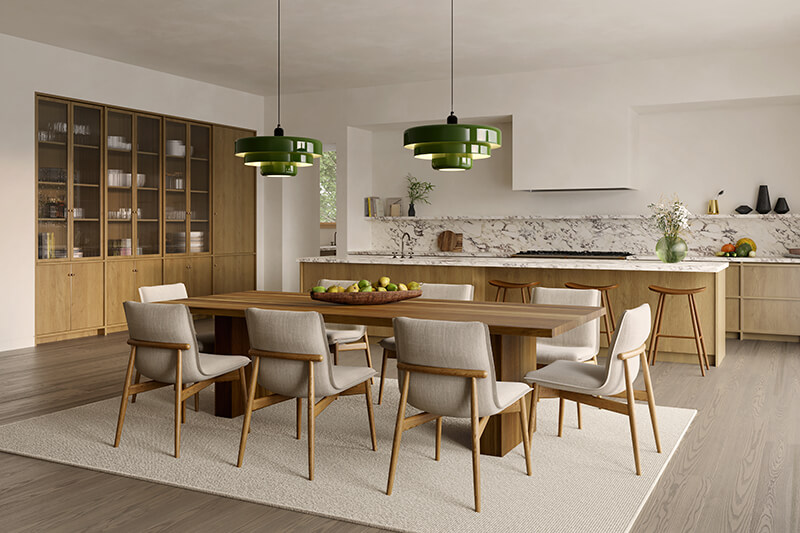
Warm earth tones have reshaped modern interiors because they answer how people want to live today. These palettes soften light, calm visual contrast, and create rooms that feel grounded from morning through evening. When paired thoughtfully across floors, walls, cabinetry, and furnishings, warmer colors bring cohesion to a home while leaving room for personal style to evolve.
Whether you lean toward wood visuals, stone-inspired surfaces, or layered textiles, a warm foundation sets the tone for everything that follows, supporting spaces that feel inviting now and resilient for years ahead.
At Chacon Flooring, we can help you explore flooring and materials that align with this warmer direction and show how different tones interact with your existing finishes. Visit us in San Francisco, CA to compare samples in person and create a home that feels comfortable, balanced, and built for everyday living.