
Signs Your Hardwood Floors Are Ready for a Full Transformation
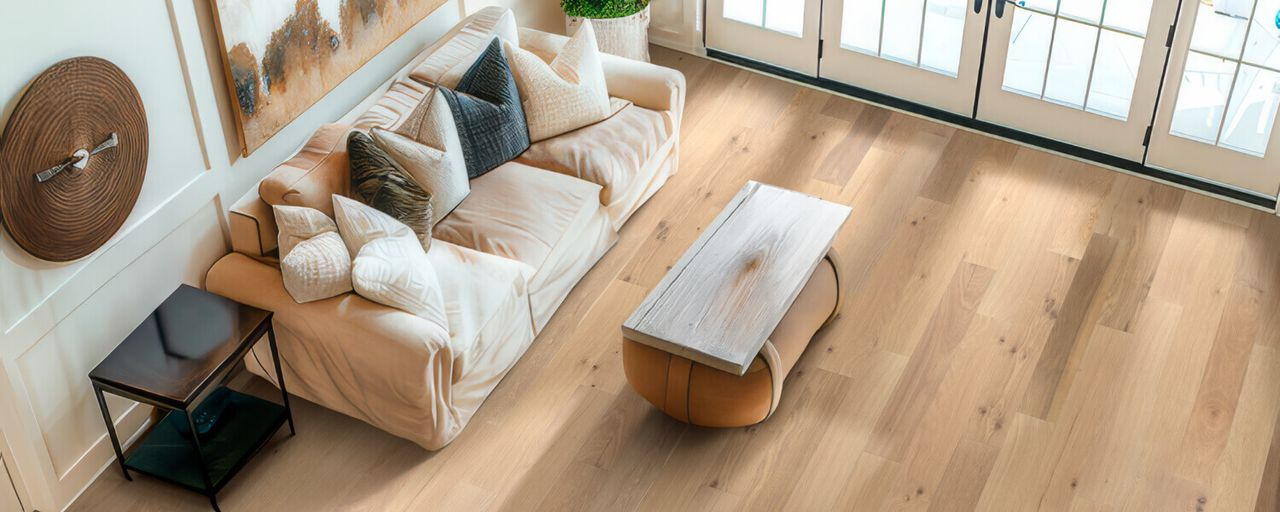
The natural beauty of solid hardwood flooring is one of the most desirable features in a home, bringing character and warmth to your living spaces. Over the years, your floors walk through life with you, supporting busy morning routines, family gathering and all the quiet moments in between. While hardwood is remarkably durable, daily activity eventually leave their mark on the surface. Understanding how to restore that original luster is key to maintaining the aesthetic appeal and the structural integrity of your floors.
Many homeowners wonder whether their tired-looking wood floors need a complete overhaul or just a simple touch-up. Knowing the difference between routine surface wear and deeper structural aging allows you to make the right investment at the right time. By evaluating the specific condition of your wood, you can confidently choose the ideal path to bring your floors back to life.
Evaluating Wear and the Need for Refinishing
Before deciding on a restoration method, it helps to take a close look at the current state of your flooring. Daily foot traffic, moving furniture and accidental spills affect hardwood differently depending on the age of the wood and the type of finish applied. When a floor loses its shine, the issue often rests entirely within the clear protective topcoat. Light scuffs from shoes, micro-scratches from pets and a generally dull appearance usually mean the finish has worn down, but the wood underneath remains completely undamaged. If your floor looks lackluster when the light hits it but lacks deep gouges, a simple surface treatment called screening may be all you need. This process involves gently abrading the existing topcoat and applying a fresh layer of polyurethane to restore the original sheen.
True structural wear extends past the protective finish and penetrates the actual wood planks. When heavy objects drop or furniture drags across the room, they can leave deep grooves that expose the raw timber underneath. If you notice dark areas where water has penetrated the bare wood or if you see significant splintering, a surface recoat will not fix the problem. These deeper imperfections require a full sand and refinish to level the wood and seal it properly against future moisture.
Tell Tale Signs Your Hardwood Needs Deeper Restoration
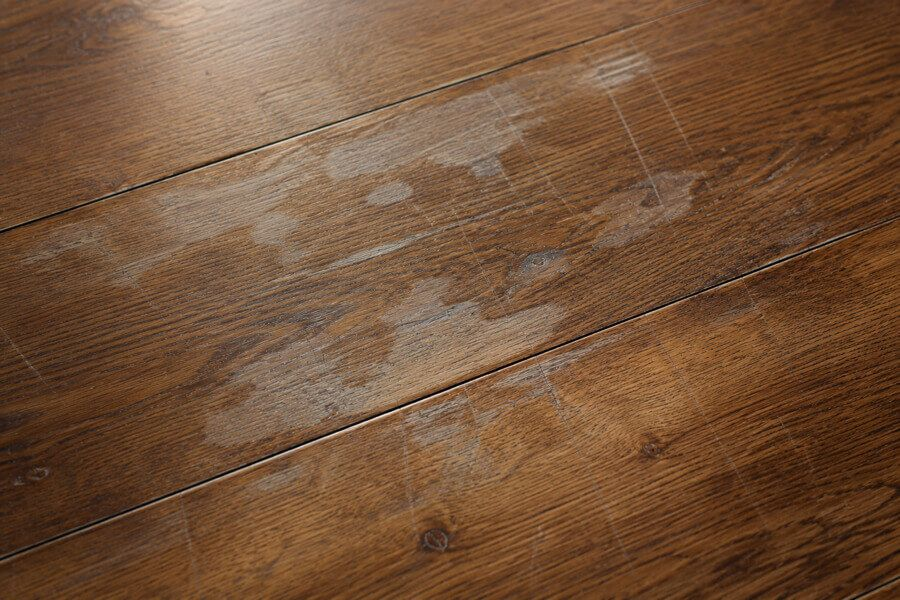
When surface treatments are no longer enough to protect your floors, a full refinishing process becomes necessary. This method involves sanding the planks down to the raw wood, removing all existing finish, leveling out imperfections and applying entirely new stains and protective coats. Key indicators that your home is ready for this transformation include:
- Pervasive Graying and Discoloration: This distinct dark change in high-traffic areas occurs when the protective polyurethane finish has completely worn away, leaving raw wood vulnerable to airborne moisture and household spills. Wood naturally oxidizes when exposed to water and light, requiring professional sanding to prevent permanent wood loss.
- Widespread Deep Scratches: A dense network of deep grooves across an entire room calls for a complete sanding. If scratches have cut through the finish into the grain of the wood, applying a new topcoat will only trap dirt and imperfections underneath, making them look more prominent.
- Cupping and Warping of the Planks: Changes in humidity and minor moisture exposure can cause wood planks to cup, meaning the edges of the boards sit higher than the centers. When this distortion is mild and the moisture issue is resolved, sanding flattens the boards back to a perfectly level surface.
Design Opportunities and Lifespan Considerations
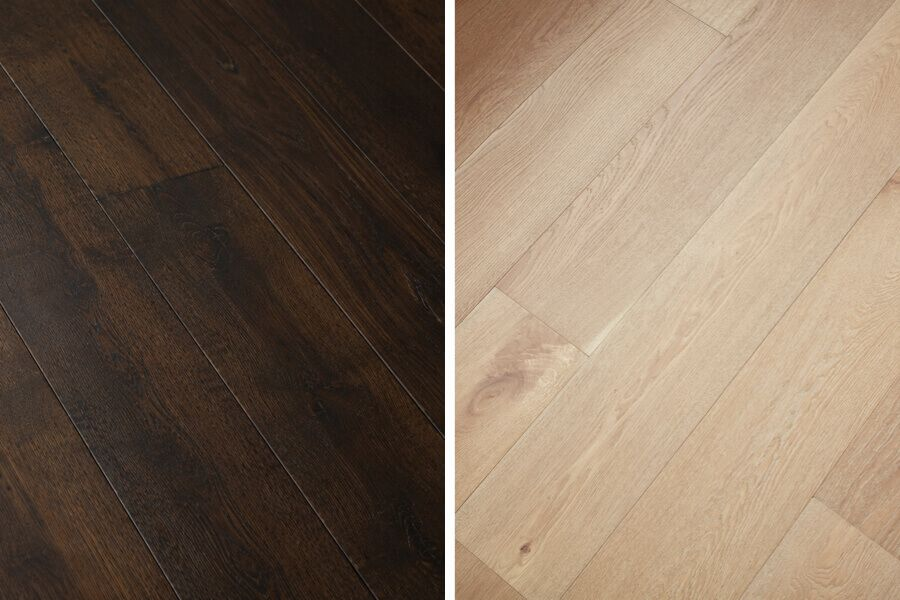
As sanding takes the floor back to its raw state, you have total creative freedom to reinvent the look of your home. Interior design preferences naturally evolve over time. If your home currently features dark espresso or reddish cherry floors that make the space feel heavy and refinishing allows you to adapt to modern aesthetics.
- Natural Oak Tones: Clear coats highlight the pale, organic beauty of white or red oak.
- Warm Honey Finishes: Amber tones provide a timeless, traditional look that complements classic home styles.
- Soft Gray and Muted Stains: These options create a bright, airy environment that maximizes natural light.
The level of gloss on your floors impacts the overall ambiance of your home. High-gloss finishes reflect a lot of light, which can sometimes highlight dust and footprints. During a full refinish, you can transition to a satin or matte finish. Matte finishes offer an understated appearance that feels grounded and organic, while concealing daily wear.
Assessing the Limits of Your Flooring Material
Every time a floor is fully refinished, a thin layer of wood is sanded away. Because of this, solid hardwood floors have a limit to how many times they can undergo this process over their lifespan. Solid hardwood can typically be fully refinished four to six times throughout its life. To see if your floors can handle another sanding, you can look at the edge of a plank around a floor vent or stairs. If the wood above the tongue-and-groove joint is at least one-eighth of an inch thick, the floor has plenty of structural material left for a complete professional sanding.
If your home features engineered hardwood rather than solid planks, the veneer layer requires careful consideration. Engineered floors have a real wood top layer bonded over a plywood core, which alters how they must be treated:
- Thick Wear Layers (4mm or more): Can safely handle one to two full professional refinishing cycles.
- Thin Wear Layers (less than 2mm): Better suited for light surface recoating to prevent sanding through to the plywood core.
Preparing Your Home for the Refinishing Process
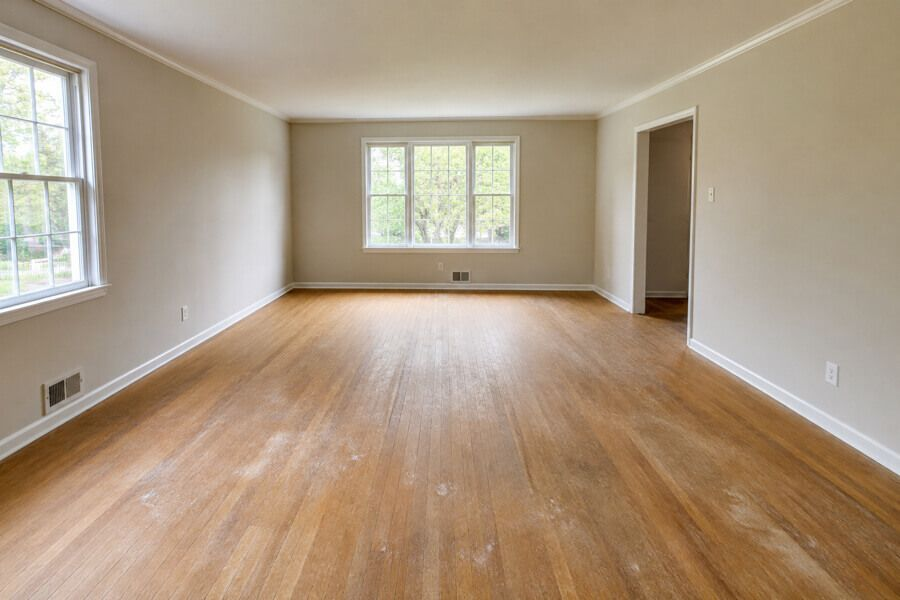
A successful refinishing project requires preparation to ensure a lasting result. Understanding the steps involved helps you plan your schedule and protect your home during the transformation. To refinish the floors, every piece of furniture, area rug and window treatment must be removed from the room. Professional refinishing teams use specialized dust-containment sanding systems to minimize airborne particles, but it is always wise to cover nearby doorways and cabinetry with plastic sheeting to keep the rest of your home pristine.
After the sanding and staining are complete, protective coats of polyurethane are applied. These layers need time to dry and cure before being subjected to normal use. Planning around these specific timelines ensures the safety and longevity of your new surface:
- Foot Traffic: You should plan to stay off the floors entirely for at least twenty-four hours after the final coat.
- Furniture Placement: Wait a few days before moving heavy furniture back into the space to avoid denting the fresh finish.
- Area Rugs: Delay replacing large area rugs for about two weeks to ensure the new finish hardens to maximum durability and undergoes even light exposure.
Choosing a Trusted Professional Partner
Investing in your hardwood floors preserves the long-term value and comfort of your home. Entrusting this transformation to knowledgeable professionals ensures that the sanding is perfectly level, the stains are even and the protective coatings are durable enough to withstand future decades of daily life.
At Chacon Flooring, we’ll help you explore your options and find the right flooring for your home in San Francisco, CA.